Saturday, May 26, 2012

All About of Cancer Disease


Cancer is the uncontrolled growth of abnormal cells throughout the body. The abnormal cells are cancer cells as malignant cells or tumor cells. Many types of cancer and abnormal cells to cancerous tissues are under the name of the tissue of abnormal cells (eg breast cancer, lung cancer, colon cancer) is identified. Cancer is not limited to humans, animals and other living organisms, possibly cancer. Below is a graph showing the normal cell division and shows how, when a cell is damaged or altered without repair of his system, so the cell. We also see what can happen when they are not repaired or damaged cells die and are not cancer cells multiply and with uncontrolled growth, grow a mass of cancer cells. Often, cancer cells can travel to from this mass of cells of origin, through the blood and lymphatic system and lodge in other organs, where they can once again repeat the cycle of uncontrolled growth. This process of cancer cells, Wherein a space and more in another area of ​​the body metastases or metastatic disease. For example, if breast cancer cells to bone (or elsewhere) to spread, this means that the individual is suffering from metastatic breast cancer.
cancer

All that cause a normal cell of the body can not develop normally, can possibly cause cancer. Many things can and abnormal cells have been linked to the development of cancer. Some causes of cancer remain unknown, while other types of cancer can develop more of a known cause. Some can be influenced by genetic stage of the development of a person. Many patients develop cancer due to a combination of these factors. Although it may often be difficult or impossible, the trigger event (s) who develop cancer in a Particular person to deter mine the cause, research has provided clinicians with a number of possible causes, Which alone or jointly with other causes, are good candidates to initiate cancer. The following is a list of the main causes and is not all-inclusive as specific causes examined as advances in research are added regularly:

- Chemicals and the exhibits toxic compounds: benzene, asbestos, nickel, cadmium, vinyl chloride, benzidine, N-nitro amines, tobacco smoke or cigarette (containing at least 66 known cancer-causing chemicals and toxins floating) and aflatoxin


- Ionizing radiation: Uranium, radon, ultraviolet radiation, alpha radiation, beta-, gamma-and X-ray-emitting sources


- Pathogens: studied human papillomaviruses (HPV) infection, EBV, or Epstein-Barr virus, hepatitis B and C, Kaposi's sarcoma-associated herpes virus (KSHV), Merkel cell polyomavirus, Schistosoma species, and Helicobacter pylori, other bacteria as possible. Agents


- Genetics: A number of specific cancers have been linked to human genes in combination and are as follows: breast, ovarian, colon, prostate, skin melanoma, specific genes and other details are beyond the scope of this article in the rule Sun that the reader is referred by to http://www.cancer.gov/cancertopics/genetics for more information about genetics and cancer.


It is important to note that most people are exposed to carcinogens Thurs not become ill (eg sunlight, cigarette smoke, and x-rays) in their lives, but many people with cancer. In addition, many genes that are associated with cancer, but not developed. Why? Although researchers are not capable of a satisfactory response for each individual, it is clear that the material and the amount or level of cancer-causing person is exposed, the greater the chance that the person will develop cancer. In addition, individuals with genetic links to cancer for similar reasons (lack of sufficient momentum to the generic function) to develop. In addition, some people have a strong immune response that controls or cells that are or may Eliminates be cancer cells. There is evidence that some foods lifestyle to allow for important role in connection with the immune system or prevent the survival of cancer cells play. For these reasons, it is difficult to assign a Particular cancer in many people.


Prove that difficult a substance does not cause or is not related to at Increased risk of cancer is. For example, as antiperspirants may be breast cancer does not fit what some researchers and others. The official position by the NCI, the "Research is needed to handle this relationship and other factors that may be affected be investigated."This unsatisfactory conclusion is presented because the data collected to date is contradictory. Other receivables, Which are similar require intensive and expensive research that can never be done. Notice may be prudent to avoid large amounts of all compounds, even remotely related to cancer, but it can be difficult in a complex, technologically advanced societies modern.

A physical examination and medical history, especially the history of the symptoms are the first steps in the diagnosis of cancer. In many cases, the medical provider is a series of tests are ordered, most of Which are of the type of cancer and where he is in or on the person's body is suspected to be determined. In addition to order a complete blood count most carers, electrolyte levels, and in some cases, other blood tests that Provide further information (for example, a PSA test or may supply PSA can lead and teach, as additional tests examined prostate biopsy to do ).
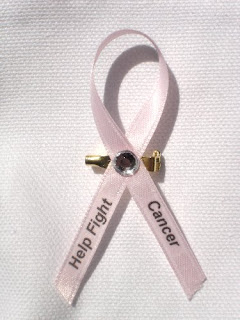
help fight cancer

Imaging studies are often used to help doctors detect abnormalities in the body, Which may be cancer. X-ray, CT and MRI and ultrasound are frequently used tools to examine the body. Other tests, analyzed as endoscopy, with variations of the devices used, the visualization of tissue in the intestine, throat and bronchial tubes, may be the permit cancer. In areas not well Represented Which can (within Certain bone or lymph nodes, for example) is often used scintigraphy. Involves the test ingestion or intravenous injection of a radioactive substance that can slightly be concentrated in the tissue and detected abnormal.


Previous tests can be very good for the localization of the disturbance in the body, many doctors believe that some of the tests for the diagnosis Provide a guess of cancer. However, in most patients, the definitive diagnosis of cancer on the examination of a tissue sample from tissue that may be cancerous by a qualified pathologist is based. Some biopsy specimens are Relatively easy to obtain (eg, skin biopsy performed on tissue or intestine with endoscope with a biopsy, biopsy system). Other biopsies may require surgery (eg, brain tissue or lymph node biopsy). In some cases, the surgery to diagnose cancer, lead to a cure, if all the cancerous tissue is removed in the biopsy.

The biopsy may Provide more definitive diagnosis of cancer, they can find out what kind of cancer (primary or metastatic examined as a brain tumor) and the "scene" of cancer cells. The stage or cancer staging is a way for clinicians and researchers to estimate the degree of progress or the severity of the disease. The following section Describes the methods for collection of general types of cancer.


Treatment for cancer is usually developed by a team of doctors or patients and oncologists based on the cancer type and stage of cancer is based. Most treatments are specifically designed for each. In some people, the diagnosis and treatment occur simultaneously, if the cancer is completely removed surgically when the surgeon removed tissue from the biopsy.


Although patients may receive a single treatment protocol for cancer, most treatments, one or more of the following options are: surgery, chemotherapy, radiotherapy or combined treatment (a combination of two or three treatments).


Variations of these individuals to receive treatment for cancer.Patients with cancers that can not be cured (completely removed) by surgery usually receive a combination therapy, deter mine the composition of the type and stage of cancer.


Palliative treatment (medical care or treatment are used to reduce symptoms, but not able to cure the patient) use the same treatments Described above. It is made with the intent to expand and improve the quality of life of terminally ill cancer patients. There are many other palliative treatments for pain relievers and symptoms as seeking to reduce nausea medications.

Friday, May 25, 2012

All About of Malaria Disease


Many people often ask, what is malaria? Malaria is a parasitic disease. This means that it is caused by a parasite, a tiny organism that lives in or on other organisms as a host. This parasite is Plasmodium and the host is a female mosquito of the genus Anopheles. The parasite is transmitted to a potential victim if he or she is bitten by a mosquito. Although preventable and treatable, the disease kills 350-500000 worldwide, most victims are children who live near the Sahara region in Africa. United States, only 1,300 cases occur each year. This article on Buzzle malaria symptoms, causes and treatment will focus on information that will help you to learn more about this dangerous disease.
mosquitoes ingest the parasite
Malaria is caused by a parasite that causes the salivary glands of mosquitoes infected with a female. There are five species of Plasmodium that can infect humans. These include P. falciparum, P. malariae, P. ovale, P. vivax and P. knowlesi. The largest number of cases of malaria caused by P. falciparum. Once a mosquito, which is the parasite that bites at a certain stage of development a person then that person will have developed malaria, was infected. When another female mosquitoes then bite a victim of malaria, he can pass it on to others and not themselves infected (this is called a mosquito).

Malaria symptoms can vary widely, from no symptoms or very mild to severe and can even cause death. Malaria is often divided into two different categories. The first category is called the individual category and the other is complicated category.

Incubation period of malaria
Depending on the nature of the parasite incubation period can vary 7-30 days. People who have traveled to malaria-prone regions should inform their doctor they have done, because even with medicines against malaria, certain types of malaria can delay the appearance of symptoms up to one year.

First Uncomplicated malaria
The general (but very rarely) malaria attack usually lasts 6-10 hours.There are three phases to this and they usually return every 2 to 3 days, depending on the type of parasite.
- The cold phase (chills, chills)
- The hot phase (vomiting, fever, headache, convulsions in children)
- The phase of sweating (sweating, normal temperature, drowsiness)
cycle of the malaria parasite
But in most cases the patient will usually provide the following symptoms:
- Chills
- Fever
- Nausea and vomiting
- Headache
- General ill feeling
- Pain

Some patients can be observed, the spleen, fever, sweating, general weakness. If a patient infected with P. falciparum, they may have symptoms such as enlarged liver, jaundice, mild, and increases the respiratory rate.

Depending on the country and the frequency that malaria is known that the patient drugs to be targeted for self-medication, as we do here in America with a cold or it will be to seek professional help after failing inappropriate medication to take effect.

Second Complicated malaria
This usually occurs where there is little or no immunity against the disease, including places where the disease malaria is rare or low immunity due to other health risks. Complicated malaria leads to diseases of blood and organs, including the fluid in the lungs, and the loss of renal function.

In all areas of the disease of malaria world is a complex emergency and must be processed as quickly and as thoroughly as possible, because without treatment other significant health problems occur and appear finally to death. As with other conditions in pregnancy may be due to premature labor or low birth weight to be complicated. In extreme cases, there is the possibility of early termination of pregnancy.

Tips severe malaria
If a patient has a severe infection with P. falciparum, leading to multiple organ failure. It can even lead to abnormalities of the patients normal metabolism and blood. Some of these complications:
- Severe anemia due to destruction of red blood cells
- Presence of hemoglobin in the urine (hemoglobinuria)
- Pulmonary edema and acute respiratory distress syndrome (ARDS)
- Reduction of blood platelets, which leads to the blood coagulation and thrombocytopenia
- Heart and circulatory shock
- Low blood sugar (hypoglycemia), especially in pregnant women

Relapse of malaria
Relapses of malaria are also known to occur even months and years after the first attack. This is a kind of dormant parasites with stages that are known to awake long after the disease was cured.There are medications, which are able to prevent this, and must be started as soon as possible after the first attack.

The treatment of the disease malaria
Laboratory tests must be performed and the diagnosis of malaria should be confirmed before the treatment started. Otherwise, should only be reserved for special cases by to situations in which the suspicion clearly an extreme case determined and the lack of facilities required to do so.

The treatment is determined by three characteristics:

- Infecting parasite species - it is different for three reasons.
> P. falciparum is responsible for a serious illness or death is advancing rapidly, while the other three species are rarely so severe.
> P. vivax and P. ovale for processing the application forms, which remain dormant and can lead to repeated infections.
> P. falciparum and P. vivax are different levels of resistance in different geographical areas where infections occur known. For P. falciparum in rapid initiation of treatment is extremely necessary.

- The physical condition of the infected person.

- The amount of the parasite resistance by the position of the person was determined to be infected.

- Other things to remember about drug treatment.

- Other conditions of the patient:
> Pregnancy
> Drug allergies and sensitivities.

Drugs
Some antimalarial drugs can be administered intravenously. The usual medicines for malaria are:
- Chloroquine
- Sulfadoxine-pyrimethamine
- Mefloquine
- Atovaquone-proguanil
- Quinine
- Doxycycline
- Aartemisin derivatives (these are usually available outside the U.S.)

Malaria kills thousands of people unnecessarily. People with immediate and proper treatment are able to cure this disease, with no problems. He must also recognize that the delay is possible at the onset of symptoms. All suspected malaria cases should be reported to a doctor or health care professional. In addition, the United States, it is imperative to all cases of malaria on the CDC report. They must all steps to prevent malaria. It was all about the causes of malaria symptoms and treatment. For more information talk to, especially when traveling to malaria-prone areas, to a healthcare provider for more details.

Wednesday, May 25, 2011

What The Health


The word "health" comes from the Old English word Hale, meaning "the fullness of the whole person, his or her". Kailo Hale comes from Proto-Indo-European root meaning "whole, free, a good omen." Kailo comes from Proto-Germanic roots khalbas, which means "breaking something". Medilexicon dictionary has three definitions of health, the first is "The state of the organism when it functions optimally without evidence of disease or abnormality"
I Love Health

The most famous modern definition of health was created during a Preamble to the Constitution of the World Health Organization signed as accepted by the International Health, New York, 19-22 June 1946 and 22 July 1946 by representatives of 61 States (Official Records of the World Health Organization, no. 2, p. 100) and entered into force 7th April 1948.


"Health is a state of complete physical, mental and social well-being and not merely the absence of disease or infirmity.”

The definition has changed since 1948.
While the Ottawa Charter for Health Promotion in 1986, the WHO declared that health care:

"a resource for everyday life, not the objective of living. Health is a positive concept emphasizing social and personal resources, as well as physical capacities.”

Most people agree that health care will be divided into two main aspects: the physical and mental health.

Physical Health
Means for the people, the physical health of a healthy body, healthy because of regular physical activity (sports) is good nutrition and adequate rest.

To live as a country or people in the region to better nutrition, health, standard of living and quality of life, their size and weight generally increases.

In fact, most people asked for a definition when the talk about health on physical health. Physical health is related to everything about our bodies as physical entities. Physical health was the basis for active living campaigns and nutritional drives that have swept many industrialized world. The people there are so many "physical" health data exposed to these days, it is difficult to decide what is relevant and what is not.

Another term for the physical well-being is physical. Physical well-being will be able to get something as a person through the development of all components related to the health of his / her life is defined. Cardiorespiratory fitness reflects a person's endurance, muscular strength, flexibility and body composition. Other contributors to the physical well-being can refrain from good nutrition, weight control, to drug abuse, alcohol abuse to avoid, responsible sexual behavior (sexual health), hygiene and the proper amount of sleep.

Mental Health
Mental health refers to human cognitive and emotional well-being. A person who enjoys good mental health is not a mental disorder."Can a state of well-being in which the individual is his own abilities, can cope with normal stresses of life, work productively and fruitfully and is able to contribute to his community," according to the WHO's mental health.

No matter how many definitions of people trying to find in terms of mental health, their assessment is still a subjective test.

People have always found it easier to explain what mental illness is, rather than mental health. Most people agree that the mental health of "the absence of mental illness." For some points, this definition is not enough. They say that if you are 100 people who choose not suffer from a mental disorder or disease could be diagnosed by a psychiatrist, some people within that 100 mentally healthier than others. Most people also agree that mental health involves the ability to enjoy life, the ability to break back on its feet adversity, the ability to even (in moderation), the ability to be flexible and adapt toability to feel confident and self-realization (the best of what you are).

The health of individuals and their communities are influenced by a wide range of factors. The health of the human good or bad by their environment and situations is determined - what happens and what happened to them, says the WHO. The WHO says that the following factors are likely to have a greater impact on our health than access to and use of health services:

As our good health depends on the context of our lives to praise or criticize people for their good or bad health is bad. Most of the factors that are contributing our good or bad health out of our control. According to WHO, these factors (determinants), among others:

·         Where we live
·         The state of our environment
·         Genetics
·         Our income
·         Our education level
·         Our relationship with friends and family

SES - socio-economic level of a person is high, the more likely he / she is in good health. The link is clear. The socio-economic status affects all family members, including newborns. An Australian study found that women with low socioeconomic status are less likely to breastfeed their children - a factor that the health of the baby when he / she enters will have an impact in the world. A South Korean study showed a clear link between low socioeconomic status and heart attack and stroke risk.

Education - People with less education generally have a higher risk to suffer poorer health. Your stress will most likely be higher as compared to those with higher academic qualifications. A person with a high level of education is probably a higher self-esteem. A study by researchers at Northwestern University Feinberg School of Medicine, Chicago, found that seniors who had higher levels of health literacy were more likely to live longer. Another study in San Francisco VA Medical Center found that literacy doubled in less than a ninth grade level, the risk almost five-year mortality in elderly people.

The physical environment - whether your water is clean and safe, the air we breathe is pure, your workplace is healthy, your house is comfortable and secure, you tend to be healthy in comparison to someone one whose water supply is not clean and safe air, he / she is breathing contaminated workplace is unhealthy, etc. A study by researchers at the University Zuyd, Netherlands conducted found that only one hour of sniffing exhaust fumes from cars causes a stress response in brain activity. Another study at Indiana University-Purdue University was carried out, showed that chronic lead poisoning, caused in part by the ingestion of contaminated soils, the hundreds of thousands of other children in the United States that acute lead poisoning with imported toys or jewelry connected.
symbol of medicine
Employment prospects and conditions of employment - if you have a job to show statistics that you are more likely to better health than those who are unemployed to enjoy. If you have some control over your working conditions for your health will benefit. A study by researchers at the State University of New York at Albany before that employees who report lost their jobs through no fault of their own twice as likely as continuously employed workers to the last 18 were the next months, they have a new disease, such as hypertension, diabetes or heart disease develops.

Support from people around you - if you have the support of family and friends for their support in your community and your chances of good health, is far more than someone who does not have these things. A study at the University of Washington found that the strong family support, not peer support, is protective in reducing future suicidal behavior among young adults when they have experienced depression or have attempted suicide.

Culture - the traditions and customs of a society and how a family reacts to an important role in the health of people playing. The effects could be either good or bad for health. The tradition of female genital mutilation has an impact on infection rates and the mental health of millions of girls and women in many countries. A study in the Journal of Epidemiology and Community Health found published in a manner of dress among young people according to the custom of their own ethnic group, they are less likely to have mental health problems in later life.

Genetic predisposition - the longevity of people's overall health and susceptibility to certain diseases are in part determined by their genetic composition. Researchers at the Vrije Universiteit, The Netherlands, the Medical College of Georgia, USA, and Duke University, USA showed that the genes play a central role of people as they respond to both biologically and psychologically to their environment emphasize.

What we do and how we do it - what we eat, our physical activity, whether we smoke or drink or take drugs, and how we are important to stress to our physical and mental well-being.

Access to and use of health services - a company that has access and uses a high-quality medical care is more likely to enjoy better health than those who do not work. For example, developed countries, the basic public health for a longer life expectancy for their people, compared to developed countries that are not.

Gender - Men and women are susceptible to various diseases, conditions, and physical experiences that play a role in our overall health. For example, the birth, ovarian cancer, cervical cancer and is known only by women, including prostate cancer, testicular cancer only in men, are known. During the war, more men than women tend to fight it says, and then get hurt or die are. Adult women are more likely to be victims of physical violence, compared to adult men. In some societies, women are not the same access to education than men - Education is a factor of health. Numerous studies have shown gender differences in health services, even in developed countries.